Bruce Peninsula Orchids: A Guide to 34 Rare Species
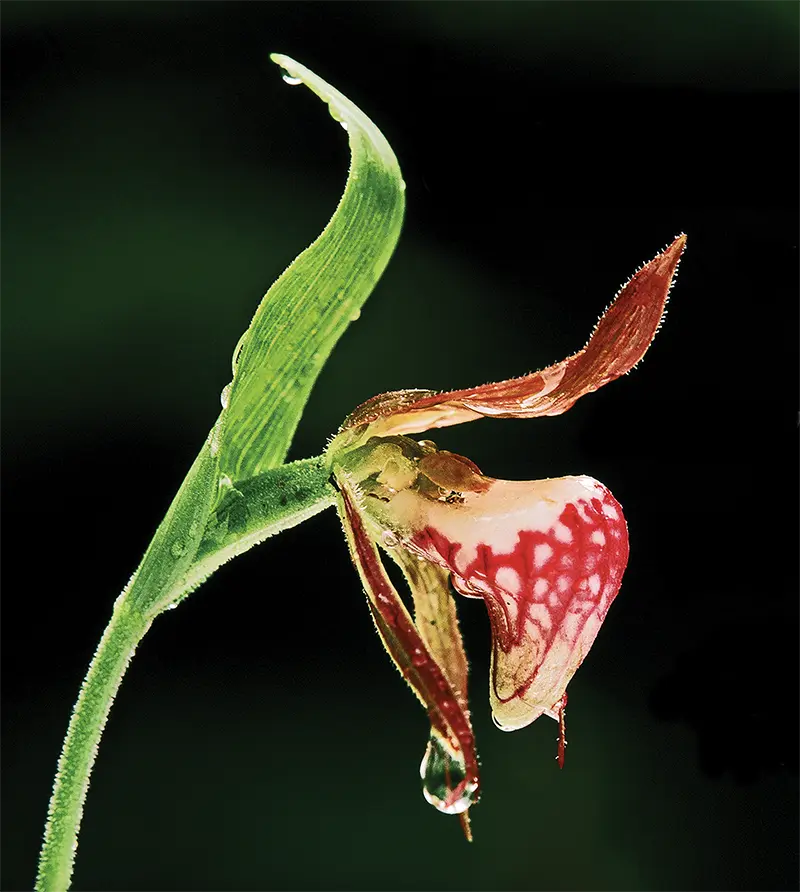
The Bruce Peninsula is a land of rugged limestone cliffs, turquoise waters, and ancient cedars. But for those who know where to look, the true magic lies closer to the ground. While thousands flock to the Grotto each year, a quieter, more delicate spectacle unfolds every spring and summer: the blooming of 34 distinct species of wild orchids. This isn’t just a local curiosity; the Bruce Peninsula is world-renowned as a botanical hotspot, hosting nearly two-thirds of all orchid species found in Ontario. At Miller’s Family Camp, we’ve seen generations of “orchid hunters” return year after year, captivated by the elusive beauty of the Bruce Peninsula orchids. Whether you are a seasoned botanist or a curious traveler, discovering these hidden gems is an experience that stays with you long after you’ve left the shores of Miller Lake.
Why the Bruce Peninsula is an Orchid Paradise
You might wonder why a narrow strip of land between Lake Huron and Georgian Bay became the orchid capital of North America. The secret lies in the geology and the microclimate. The Bruce Peninsula orchids thrive here because of the unique “alvars”—flat limestone plains with thin soil—and the diverse range of habitats, from damp fens and cedar swamps to shaded hardwood forests and sun-drenched cliffs.
The Great Lakes act as a massive heat sink, moderating temperatures and providing the humidity these delicate flowers crave. This environment creates a “Goldilocks zone” where rare species that struggle elsewhere in Canada can flourish. It is a fragile ecosystem, governed by the Parks Canada conservation efforts, ensuring that these botanical treasures remain protected for future generations to admire.
The Stars of the Show: Iconic Species to Look For
With 34 species to find, you could spend an entire lifetime searching and still be surprised. However, a few “celebrities” of the orchid world tend to steal the spotlight each season.
The Showy Lady’s Slipper (Cypripedium reginae)
True to its name, the Showy Lady’s Slipper is perhaps the most spectacular of the Bruce Peninsula orchids. Standing up to three feet tall, these stunning flowers feature large, white petals and a deep pink, pouch-like “slipper.” They typically bloom in late June and early July, often found in moist, mossy areas or along the edges of fens.
The Ram’s Head Lady’s Slipper (Cypripedium arietinum)
If the Showy Lady’s Slipper is the queen, the Ram’s Head is the elusive recluse. This is one of the rarest orchids in the world. It is much smaller and camouflaged against the forest floor. Finding one is a badge of honor for any naturalist. Its name comes from the unique shape of the flower, which, if you squint just right, looks remarkably like the head of a charging ram.
The Yellow Lady’s Slipper (Cypripedium parviflorum)
These are the most common orchids you’ll spot near Miller Lake. Their bright, sunny yellow pouches are easy to identify and often grow in large clumps. They are a fantastic “entry-level” orchid for families staying at Miller’s Family Camp: Our Accommodations who want to take a short walk and see something beautiful without trekking deep into the backcountry.
The Best Time to Visit for Orchid Viewing
Timing is everything when it comes to Bruce Peninsula orchids. Because different species bloom at different times, your experience will change depending on which week you visit.
- Late May to Early June: This is “prime time” for the early bloomers like the Calypso Orchid (Fairyslipper) and the Ram’s Head Lady’s Slipper. The air is crisp, and the blackflies are usually just starting, so it’s a great time for serious hikers.
- Mid-June to Early July: This is the peak of the orchid season. You’ll see the Yellow Lady’s Slippers in full glory, followed closely by the magnificent Showy Lady’s Slipper.
- Late July to August: While the showy blooms start to fade, the more subtle “spiranthes” or Ladies’ Tresses begin to appear. These are small, white, spiral-shaped flowers that have a delicate, sweet fragrance.
For real-time updates on what’s blooming, checking in with local naturalist groups or the Bruce Trail Conservancy can provide invaluable insights into current trail conditions and floral activity.
Responsible “Orchid Hunting”: Rules of the Trail
The beauty of the Bruce Peninsula orchids is matched only by their fragility. Many of these species take years—sometimes a decade—to grow from a seed to a flowering plant. They have a symbiotic relationship with specific fungi in the soil, which means if you pick them or try to transplant them, they will almost certainly die.
- Stay on the Marked Trails: Compacting the soil around an orchid can kill the underground fungal network it needs to survive.
- Watch Your Step: Some orchids are only a few centimeters tall. It’s easy to accidentally step on a rare bloom while trying to photograph a larger one.
- Look, Don’t Touch: Oils from human skin can damage the delicate petals.
- Photography Etiquette: Avoid using heavy tripods off-trail. Most of the best shots of Bruce Peninsula orchids can be taken right from the boardwalks at places like Singing Sands.
Where to Find Them: Top Orchid Spots Near Miller Lake
While you can find orchids scattered throughout the peninsula, a few locations are legendary for their density and variety.
Singing Sands (Dorcas Bay)
Located on the Lake Huron side, this area is famous for its fen habitat. It is arguably the best place to see a high concentration of Bruce Peninsula orchids in a small, accessible area. The boardwalks here allow you to get close to the flowers without damaging the sensitive ecosystem.
Flowerpot Island
A short boat ride from Tobermory, this island isn’t just famous for its rock formations. The shaded, moist trails of Flowerpot Island are home to the Calypso Orchid and several species of Coralroot orchids.
The Bruce Trail
Sections of the Bruce Trail that wind through hardwood forests are excellent for spotting the Helleborine and various woodland orchids. Just remember that the terrain can be rugged, so wear sturdy boots!
Creating Memories at Miller’s Family Camp
After a day of exploring the hidden valleys and mossy fens in search of Bruce Peninsula orchids, there is nothing quite like returning to the comfort of the lake. At Miller’s Family Camp, we provide the perfect “base camp” for your botanical adventures. Whether you’re sharing photos of your finds around a campfire or teaching your children about the importance of conservation, these moments create a deep connection to the natural world.
The orchids are a reminder that the Bruce Peninsula is a living, breathing landscape that requires our respect and protection. Every time you spot a flash of pink or yellow in the underbrush, you’re witnessing a cycle of life that has persisted for thousands of years.