Packing for 4 Seasons in 1 Day: The Ultimate Bruce Peninsula Gear List

Preparing a comprehensive Bruce Peninsula gear list requires understanding one fundamental reality: Tobermory weather and Georgian Bay microclimates can change in a matter of minutes. Whether you are tackling rugged Bruce Trail hiking routes, exploring Bruce Peninsula National Park, or paddling the sheltered shores of Miller Lake, packing for sudden shifts in temperature and moisture is essential. At Miller’s Family Camp, hosted along the Niagara Escarpment, three generations of living on the water have taught us that packing the right waterproof footwear and modular layering gear transforms a potentially freezing, damp trek into an unforgettable outdoor adventure.
Why Does the Bruce Peninsula Experience 4 Seasons in 1 Day?
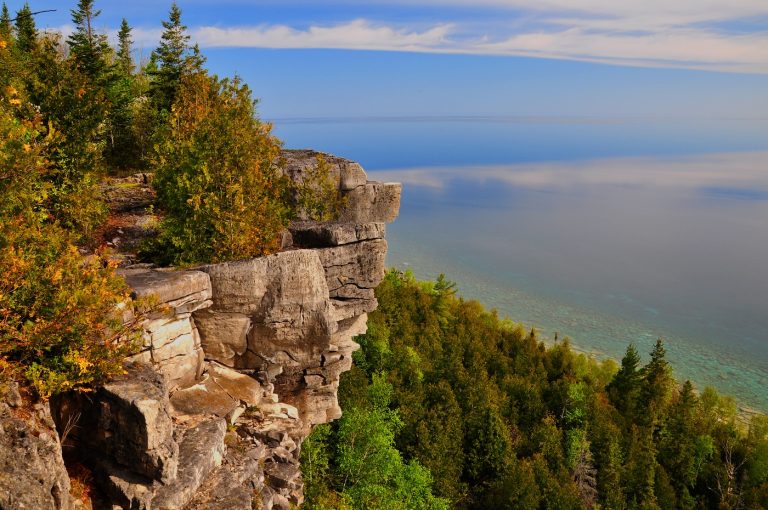
The Bruce Peninsula experiences rapid four-season weather shifts because it sits between two massive water bodies with contrasting thermal dynamics: cold Georgian Bay and warmer Lake Huron. Combined with high elevation drop-offs along the Niagara Escarpment, localized wind shifts produce sudden temperature drops up to 15°C, heavy sea fog, and sudden rainsqualls within hours.
In our testing across decades of hosting summer campers and autumn hikers, we have seen warm 22°C morning sunshine at Miller Lake transform into a biting 8°C fog bank at the cliff edges of Lion’s Head or the Grotto by early afternoon. The geography of the peninsula acts as a thermal battleground.
When prevailing winds blow from the west over Lake Huron, the air picks up ambient heat from the shallower basin. However, as soon as you cross the elevated spine of the Niagara Escarpment toward the eastern cliffs, cold air off Georgian Bay rushes up the limestone bluffs. This creates dramatic microclimates where a difference of just two kilometers can mean switching from a short-sleeved shirt to a heavy wool beanie and windbreaker.
Furthermore, inland water bodies like Miller Lake serve as a peaceful, warm buffer zone. While the open bays experience heavy wind gusts and sea spray, inland conditions stay significantly milder. Understanding these geographic forces explains why packing a static outfit—like simple denim jeans and a single cotton hoodie—is the most common mistake first-time visitors make.
The 3-Layer System: Mastering Peninsula Microclimates
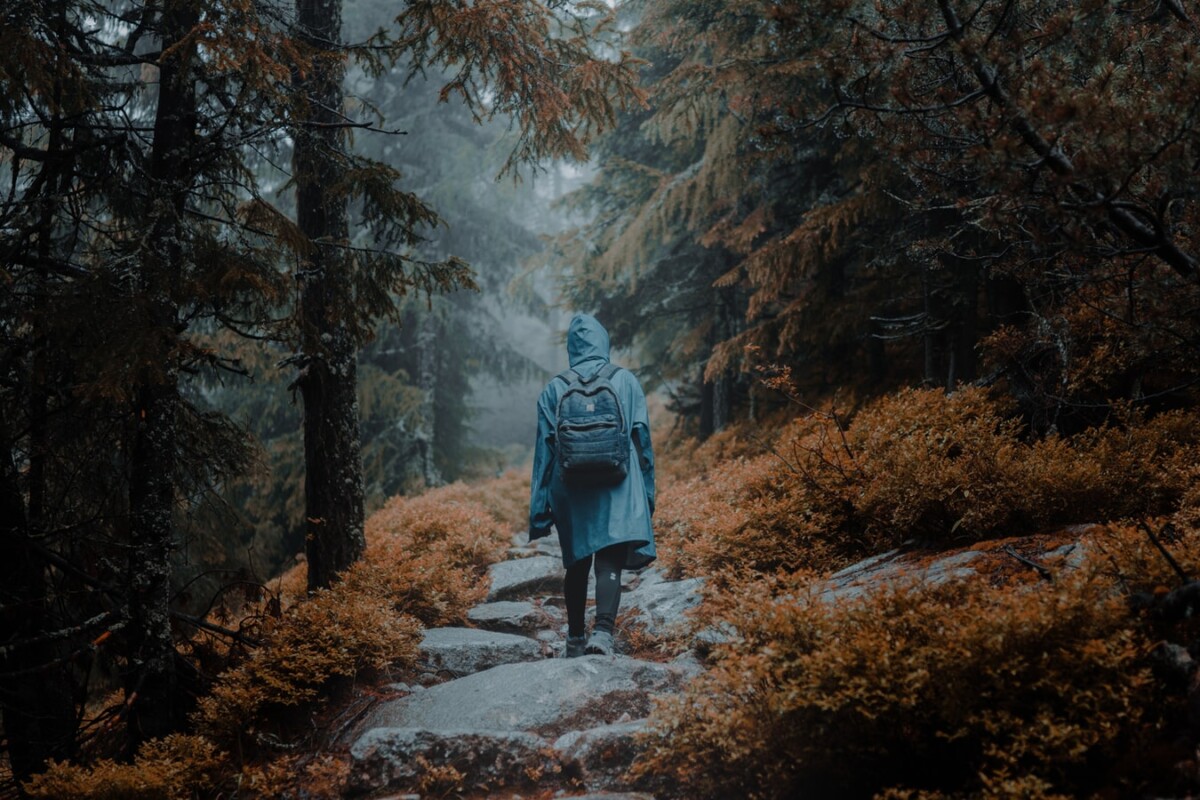
Mastering peninsula microclimates requires a technical three-layer system: a moisture-wicking synthetic or merino wool base layer to manage sweat, an insulating fleece or lightweight down mid-layer to trap body heat, and a breathable, windproof, waterproof shell jacket to block sudden Georgian Bay gales and rain squalls without causing internal overheating.
What we’ve observed on the trail is that hikers who rely on heavy, singular winter coats inevitably end up either overheating during steep ascents or shivering when resting at wind-exposed lookouts. The key to staying comfortable from morning to night is modular flexibility.
1. The Next-to-Skin Base Layer (Moisture Management)
Never wear cotton on the Bruce Trail. Cotton absorbs sweat, holds moisture directly against your skin, and loses all insulating ability when damp. As soon as you stop walking to admire a lookout, that trapped dampness causes rapid cooling.
- Material Choice: Select 150-200 gsm merino wool or high-grade synthetic polyester blends.
- Primary Function: Draws perspiration away from pores to maintain a dry micro-environment around your core.
- Pro-Tip from Camp: Bring a spare lightweight base layer in your daypack. Changing into a dry shirt after a strenuous uphill climb makes lunch overlooking the cliffs infinitely more comfortable.
2. The Insulating Mid-Layer (Temperature Regulation)
Your mid-layer traps dead air warmed by your body heat. Because activity levels vary wildly between flat forest walks and steep escarpment climbs, choose an insulating piece that compresses down easily into a backpack.
- Material Choice: Grid-fleece jackets or packable 800-fill down/synthetic puffer jackets.
- Primary Function: Retains vital core warmth when temperatures drop sharply along exposed bluffs.
- When to Deploy: Put this layer on immediately upon reaching high lookout points where wind exposure causes swift body heat loss.
3. The Technical Outer Shell (Weather Protection)
Your outer shell is your primary shield against the peninsula’s sudden rainsqualls and piercing lake winds.
- Material Choice: Breathable waterproof membranes featuring taped seams and durable water-repellent coatings.
- Key Features: Underarm pit-zips for temperature control during climbs, adjustable wrist cuffs, and a cinchable hood that tightens around the face.
- Primary Function: Blocks heavy wind gusts while allowing internal moisture vapor to escape.
Essential Footwear Strategy for Rocky Escarpment Trails
The optimal footwear strategy for the Bruce Peninsula combines mid-cut waterproof hiking boots with sticky rubber lugs for wet, uneven limestone, paired with moisture-wicking merino wool socks. Additionally, packing dedicated water shoes or neoprene booties protects feet against sharp rocks, zebra mussels, and slippery cedar roots along shoreline entry points.
In our testing across rough local terrain, standard running sneakers or flat-soled casual shoes account for the majority of trail slips and rolled ankles. The Niagara Escarpment consists of ancient, weathered limestone filled with deep crevices, loose rocks, and exposed cedar roots that become slick when damp.
Key Footwear Requirements
- Deep Rubber Traction Lugs: The polished limestone surfaces near high-traffic coastal areas can feel like ice when wet. Look for outsoles with 4mm to 5mm multidirectional rubber lugs engineered specifically for wet rock traction.
- Ankle Support & Rubber Toe Caps: Stepping into hidden root hollows or narrow rock fissures can twist ankles easily. Mid-cut hiking boots provide structural ankle support, while reinforced rubber toe caps protect against sharp limestone edges.
- Merino Wool Hiking Socks: Pair technical boots with medium-cushion merino wool socks. Wool regulates temperature, provides friction-dampening cushion, and prevents blisters even if wet.
- Dedicated Shoreline Water Shoes: The shorelines of Miller Lake and Georgian Bay feature smooth pebbles, submerged limestone shelves, and sharp shells. Lightweight neoprene water shoes or securely strapped river sandals are essential for wading, swimming, and launching kayaks.
Daypack Essentials for Unpredictable Peninsula Weather
A complete Bruce Peninsula daypack requires a 20-to-30-liter pack filled with two liters of water, offline GPS navigation with a portable power bank, a compact first aid kit with blister care, an LED headlamp, UPF 50+ sun protection, bug repellent, and lightweight thermal emergency gear to handle unexpected trail delays.
When packing your pack for a day trip out from your Miller Lake basecamp, always assume that your trek may take two hours longer than planned. Rough, uneven terrain significantly reduces average walking speeds compared to city parks.
Non-Negotiable Daypack Items
- Offline Navigation & Portable Power: Cell service along the cliffs of Georgian Bay is notoriously spotty. Download offline maps before leaving camp. Cold winds rapidly drain battery life, so carry a 10,000 mAh portable power bank and charging cable.
- Hydration Reserve (2 Liters Minimum): There are no potable water refills along the trail. Carrying sufficient water—supplemented by electrolyte packets—prevents dehydration caused by dry wind exertion.
- Hands-Free LED Headlamp: Even if you plan to return before dark, unexpected trail delays can happen. A compact LED headlamp with fresh batteries ensures safe navigation if dusk settles early.
- First Aid & Blister Kit: Include pre-cut moleskin, hydrocolloid bandages, sterile gauze, antiseptic wipes, triangular sprain wraps, and personal medications.
- Sun & Insect Protection: The combination of open limestone reflecting sunlight and wooded interior cedar trails requires both broad-spectrum UPF 50+ sunscreen and effective bug repellent for mosquito and blackfly seasons.
- Emergency Thermal Blanket: Compact, lightweight Mylar emergency blankets weigh virtually nothing and provide life-saving heat reflection if forced to wait for assistance during sudden weather turns.
Seasonal Gear Adjustments: Spring, Summer, and Autumn
Seasonal packing modifications require targeted gear: spring calls for waterproof gaiters and bug nets for muddy, blackfly-heavy trails; summer demands UPF sun hoodies and thermal shock recovery layers for cold open-water swims; autumn requires thermal gloves, dark-sky stargazing gear, and heavy insulated outerwear for biting evening winds.
What we’ve observed over 50 years at Miller’s Family Camp is that each season on the Bruce Peninsula brings distinct gear demands that dictate your daily comfort.
Spring Adjustments (May to Mid-June)
Spring brings blooming wild orchids and quiet trails, but ground moisture levels are at their annual peak.
- Waterproof Trail Gaiters: Keep lower pants dry from thick trail mud and wet brush along narrow forest paths.
- Insect Head Nets: Essential during late May and early June blackfly hatches in wooded interior park sections.
- Substantial Mid-Layers: Cold spring lake temperatures keep surrounding air cool, requiring reliable mid-layer jackets throughout the day.
Summer Adjustments (Late June to August)
Summer offers long daylight hours and warm inland lake swimming at Miller Lake, but sun exposure on exposed coastal cliffs is intense.
- UPF 50+ Sun Hoodies: Lightweight, breathable long-sleeve hoodies protect neck, arms, and head without causing overheating on sunny trail sections.
- Thermal Recovery Towels & Layers: Georgian Bay surface water can remain surprisingly cold even in July. Bring quick-dry towels and a dry fleece jacket to put on immediately after open-water swimming.
Autumn Adjustments (September to October)
Fall features spectacular foliage along the Niagara Escarpment and crisp, bug-free air, but evening temperatures drop rapidly.
- Thermal Beanie & Windproof Gloves: Crucial for evening campfire stargazing under the peninsula’s designated Dark Sky preserve.
- Insulated Hot Drink Thermos: Carrying warm tea, coffee, or broth on autumn hikes provides instant internal warmth during windy cliff-side rest breaks.
Returning to Basecamp: Why Miller’s Family Camp is the Ultimate Gear Recovery Hub
Returning to Miller’s Family Camp provides the ultimate shelter recovery after volatile trail weather, offering climate-controlled waterfront cottages to dry damp gear, private campfire pits for evening warmth, and sheltered, warm-water swimming on Miller Lake away from cold, exposed coastal gales.
After experiencing four seasons of weather in a single afternoon of hiking, nothing compares to returning to a comfortable, secure home base. Trying to dry wet gear in a cramped vehicle or unventilated tent can dampen the spirits of even the most enthusiastic outdoor travelers.
At Miller’s Family Camp, our waterfront basecamp on Miller Lake is specifically configured for adventure recovery:
- Waterfront Cottages with Climate Control: Easily dry out wet boots and outer layers, cook warm home-style meals in full kitchens, and sleep in quiet, comfortable bedrooms.
- Private Campfire Rings: End your multi-climate day warming your hands around a snapping campfire under clear, starlit skies.
- Sheltered Inland Waters: When open coastal winds make Georgian Bay too rough, enjoy calm, warm paddling and dock relaxation right outside your cottage door.
By packing smart, respecting the peninsula’s powerful microclimates, and choosing the right basecamp, your family can embrace whatever weather Tobermory delivers.