The Ultimate Guide to Miller Lake Boat Rental Safety: Do You Need a License?
The Ultimate Guide to Miller Lake Boat Rental Safety: Do You Need a License?
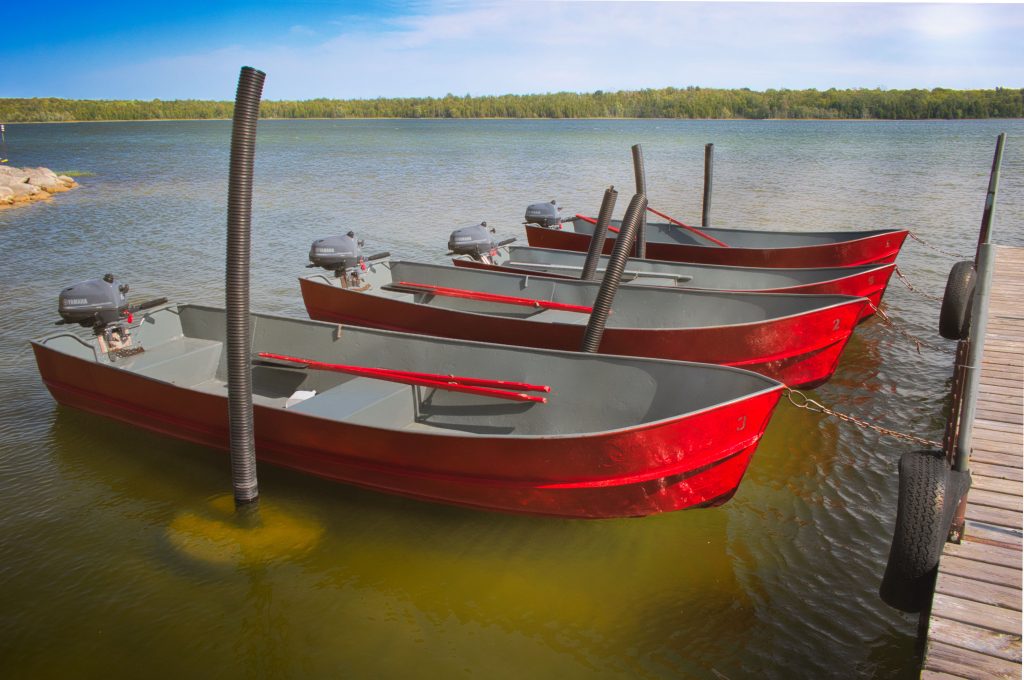
There is a timeless magic to waking up at a campground, watching the morning mist rise off the water, and preparing for a day on the lake. At Miller’s Family Camp, located in the heart of the beautiful Northern Bruce Peninsula, our waterfront on Miller Lake serves as the launchpad for countless family memories. Whether your goal is to land a trophy smallmouth bass, take the kids out for an afternoon cruise, or simply watch the legendary Bruce Peninsula sunset from a completely uninterrupted vantage point, getting out on the water is an essential part of the experience.
However, if you are planning your vacation and looking to utilize our fleet of watercraft, there is one common question that frequently makes people hesitate: Do I need a boating license to rent a motorboat in Ontario?
Navigating maritime law can feel daunting when you are just trying to plan a relaxing getaway. To help you prepare for your stay, this comprehensive guide breaks down everything you need to know about Ontario boating regulations, the unique legal exceptions for rental boats, essential on-the-water safety rules, and the step-by-step process for renting a boat safely at Miller’s Family Camp.
Part 1: Understanding Ontario Boating Laws and “Proof of Competency”
To understand the rules around renting a boat, we first need to look at the federal laws set by Transport Canada. In Canada, the regulations governing recreational watercraft do not use the term “boating license.” Instead, the law requires that anyone operating a motorized pleasure craft must carry Proof of Competency on board.
What is Proof of Competency?
Proof of competency indicates that the operator possesses a basic understanding of boating safety, navigation rules (the “rules of the road” for waterways), and how to handle emergency situations on the water. For Canadian residents who own their own watercraft, this proof almost always takes the form of a Pleasure Craft Operator Card (PCOC).
To obtain a permanent PCOC, an individual must take an accredited course and pass an official exam covering everything from navigation markers to weather patterns. Once issued, this card is good for life and is valid across all provinces and territories.
The Recreational Rental Exception
If you do not possess a permanent Pleasure Craft Operator Card, you can still legally rent and operate a motorized boat at Miller’s Family Camp. Transport Canada recognizes that thousands of vacationers visit our beautiful waterways every year without owning a personal watercraft or holding a permanent card. To keep recreation accessible while maintaining strict safety standards, the federal government established the Rental Boat Safety Checklist mechanism. This checklist serves as an official, temporary form of Proof of Competency, legally qualifying you to operate a specific rental vessel for the exact duration of your rental agreement.
Part 2: How the Rental Boat Safety Checklist Works
When you arrive at our camp store to pick up your watercraft, we do not simply hand you the keys and point you toward the dock. Instead, we take the time to complete a structured, interactive safety briefing. This process ensures that even absolute beginners feel confident and capable before leaving the shoreline.
The Step-by-Step Briefing Process
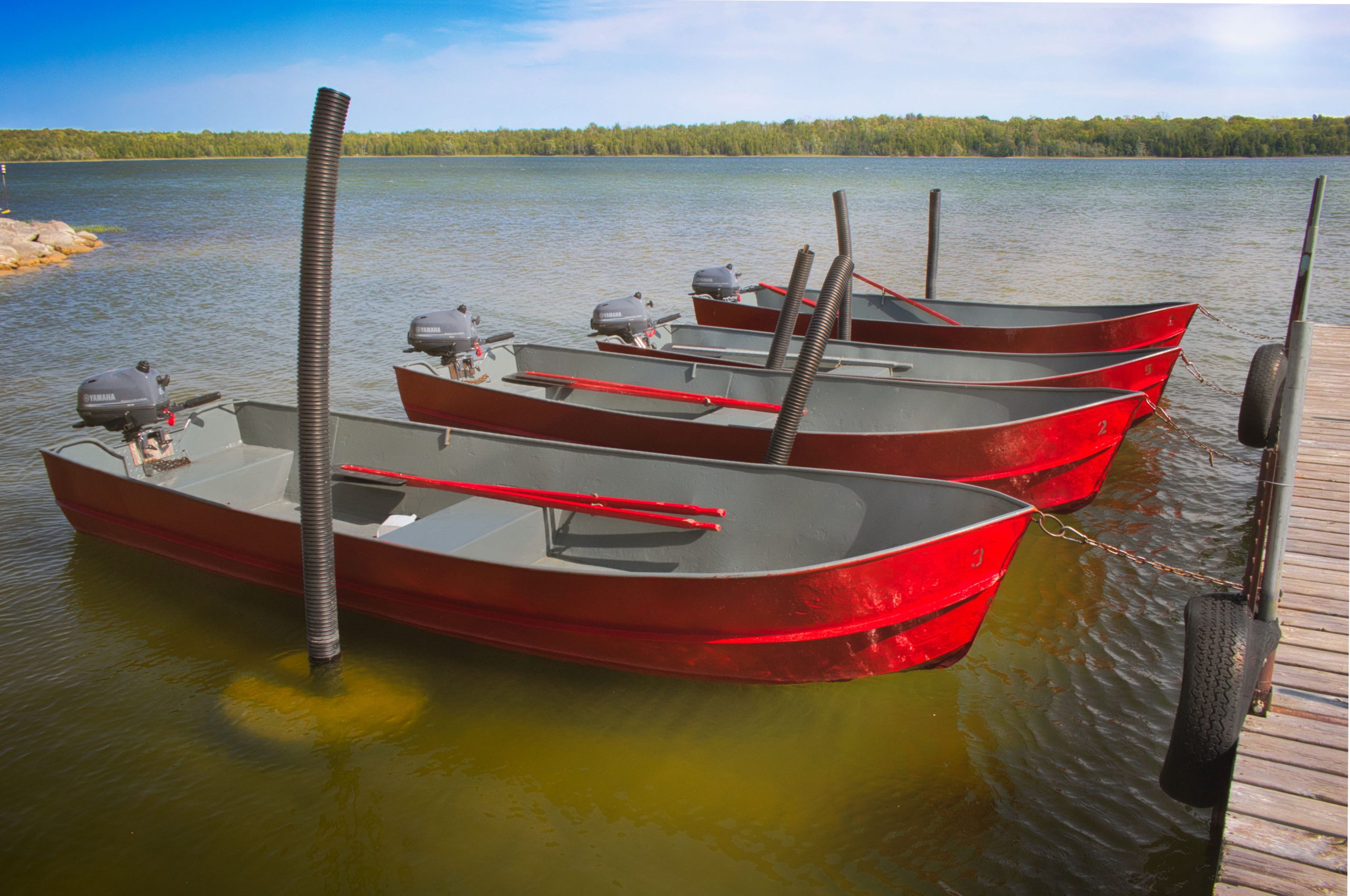
- The Vessel Walkaround: A trained staff member will take you down to the dock to inspect your specific rental boat. We will show you the mechanical layout of the boat, including how to properly start, idle, accelerate, and shut down the outboard motor.
- The Control Overview: We will explain the operation of the throttle, how to shift smoothly between forward, neutral, and reverse, and how the steering dynamics of a boat differ from a car (remembering that boats steer from the stern, meaning the back of the boat swings out when turning).
- The Marine Safety Kit Review: We will open up and inspect the mandatory safety kit onboard, demonstrating how and when to use every item inside.
- Local Hazard Orientation: Miller Lake is a gorgeous, spring-fed body of water, but like any natural lake, it features specific geographic traits. We will review our local navigation map, pointing out areas of shallow water, hidden rock shelves, weed beds, and prevailing wind patterns that could impact your journey.
- The Mutual Signature: Once the briefing is complete and all your questions have been answered, both you and our staff representative sign the official Transport Canada Rental Boat Safety Checklist.
Your Temporary “Passport” on the Water
Once signed, this document becomes your legal paperwork. If the Ontario Provincial Police (OPP) or Department of Fisheries and Oceans (DFO) marine units conduct a routine safety check on Miller Lake, you must present this signed checklist. It proves that you have been formally briefed by an authorized rental agent and are operating the vessel legally.
Part 3: Age, Identity, and Legal Requirements for Boat Operators
While the checklist bypasses the need for a written exam, it does not bypass the core legal requirements regarding age, identity, and sobriety. To ensure compliance with both provincial laws and our campground’s insurance policies, all operators must meet the following criteria:
Age and Horsepower Restrictions in Canada
Transport Canada enforces strict age limits regarding the amount of horsepower an underage operator can control:
- Under 12 Years Old: May only operate a boat with up to 10 horsepower (hp) if unsupervised.
- Ages 12 to 15: May only operate a boat with up to 40 horsepower (hp) if unsupervised.
- Under 16 Years Old: Are legally barred from operating a Personal Watercraft (PWC), such as a Jet Ski, under any circumstances.
Miller’s Family Camp Rental Policies
To sign a rental contract and take operational command of our fleet, our campground requires the primary operator to be at least 19 years of age and hold a valid, government-issued photo identification card (such as an Ontario Driver’s License or an international Passport). The individual who signs the contract and completes the safety briefing must remain at the controls of the vessel throughout the duration of the rental period.
Part 4: Mandatory Onboard Marine Safety Equipment
When you rent a motorized vessel from us, you do not need to worry about sourcing your own safety gear. We ensure that every boat leaving our docks is outfitted with a full complement of Transport Canada-approved safety equipment.
Here is a breakdown of the gear that will be waiting on your boat, along with its intended safety function:
- Canadian-Approved Personal Flotation Devices (PFDs): We provide properly sized lifejackets for every single passenger on board your vessel. By law, these lifejackets must be in good condition, free of rips or tears, and readily accessible. While the law states they must be on board, our team strongly recommends that all passengers—especially children and weak swimmers—wear their PFDs at all times while on the water.
- A Manual Bailer or Manual Bilge Pump: In the event that rainwater or splash water accumulates in the hull of the boat, a manual bailer allows you to scoop water back out into the lake, keeping the vessel light and stable.
- A Sound-Signalling Device: Typically a pealess marine whistle attached to the safety kit or your PFD. This is used to signal your position to other boaters in foggy conditions or emergency situations.
- A Watertight Marine Flashlight: Essential for signalling for help if your trip runs unexpectedly close to dusk or if visibility suddenly drops due to shifting weather patterns.
- A Buoyant Heaving Line: A minimum of 15 meters (approx. 50 feet) of floating rope attached to a buoyant rescue throw-bag. This line is used to pull a swimmer in distress back to the safety of the hull without the operator having to jump into the water.
- Oars or Paddles: Every rental boat includes alternative propulsion options. In the rare event of mechanical trouble, a set of paddles ensures you can safely navigate back to the shoreline.
- An Anchor and Line: A heavy marine anchor with an appropriate length of rope. If you experience an issue or simply want to pause to enjoy some fishing, dropping the anchor prevents the wind from drifting your boat into shallow rock formations or private docks.
Part 5: The Rules of the Water: Navigating Miller Lake Safely
Just like driving on Ontario’s highways, operating a boat on our lakes requires adherence to established right-of-way protocols. Because watercraft do not have brakes and can be heavily influenced by wind and current, understanding these rules prevents close calls and collisions.
1. Meeting Head-On (The Port-to-Port Rule)
If you are cruising down the center of Miller Lake and find yourself approaching another motorized vessel head-on, the rule is identical to driving on a standard road: both vessels must alter their course to the right (starboard). This allows the two boats to pass each other safely on their left (port) sides.
2. Crossing Situations (The Danger Zone)
If your boat is intersecting paths with another motorized boat at an angle, look at who is on your right. The vessel coming from your right side always has the right of way. In maritime terms, this is your “give-way” scenario. You must slow down, alter your course, or pass safely behind the other boat. Think of the boat on your right exactly like a car entering a right-hand intersection.
3. Overtaking Another Vessel
If you are approaching a slower boat from behind and wish to pass it, you may pass on either side. However, as the overtaking vessel, it is your responsibility to stay completely clear of the slower boat. Give them a wide, safe berth, and remember that your wake (the waves created by your hull) can easily rock or destabilize smaller craft.
4. The Hierarchy of the Waterway
Not all watercraft are created equal under maritime law. As a rule of thumb, power gives way to under-power. Motorized vessels are highly maneuverable compared to vessels relying on human muscle or wind. Therefore, your motorboat must always yield the right-of-way to:
- Canoes and kayaks
- Stand-up paddleboards (SUPs)
- Sailboats
- Swimmers and wildlife
When approaching non-motorized craft, slow down to a minimum idle speed to eliminate your wake. A heavy wake can easily capsize a kayak or paddleboard, creating an immediate safety hazard for fellow outdoor enthusiasts.
Part 6: Speed Limits, Shorelines, and Environmental Stewardship
Miller Lake is not just a recreational playground; it is a sensitive eco-system home to diverse fish populations, nesting waterfowl, and beautiful shoreline properties. Protecting this environment is a vital aspect of responsible boating safety.
The 10 km/h Shoreline Rule
In Ontario, unposted speed limits state that you must not exceed a speed of 10 km/h (approx. 6 mph) within 30 meters (100 feet) of any shoreline. This rule is strictly enforced for several critical reasons:
- Swimmer Safety: Dock zones, beaches, and shallow shorelines are prime areas for swimmers, snorkelers, and children playing in the water. Low speeds give you the visibility needed to spot swimmers before it is too late.
- Erosion Prevention: Heavy wakes crashing into the shoreline wash away soil, destroy natural rock boundaries, and damage private docks and retaining walls.
- Wildlife Protection: Many local birds, such as loons and herons, build their nests directly along the water’s edge. Boat wakes can flood these nests, destroying fragile eggs and disrupting local ecosystems.
Part 7: Sobriety and Boating: Understanding the Legal Consequences
One of the most persistent myths surrounding cottage country recreation is that the rules governing alcohol and cannabis are relaxed when you are out on the water. In reality, provincial and federal laws treat impaired boating with the exact same severity as impaired driving.
The Law in Ontario
Operating any watercraft—whether it is a 150-horsepower speedboat, a small rental motorboat, or even a non-motorized canoe—while under the influence of alcohol or recreational cannabis is a serious criminal offense under the Criminal Code of Canada.
The Ontario Provincial Police actively patrol Miller Lake and surrounding waterways. If an operator is found with a Blood Alcohol Concentration (BAC) exceeding 0.05, or shows signs of cannabis impairment, they face immediate legal action.
The Consequences to Your Driver’s License
Under Ontario’s ignition interlock and administrative driver’s license suspension frameworks, the penalties for impaired boating apply directly to your automobile driver’s license. A conviction on the water can result in:
- An immediate roadside driver’s license suspension.
- Heavy financial fines and legal fees.
- Impoundment fees for the vessel.
- The mandatory installation of an ignition interlock device in your personal car.
- Potential jail time for repeated or severe offenses.
To keep everyone safe, Miller’s Family Camp maintains a strict zero-tolerance policy. No alcohol or cannabis may be consumed or left open onboard any of our rental vessels at any time. Save the campfire drinks for when your boat is safely tied to the dock at the end of the evening.
Part 8: Preparing for Your Outing: A Pre-Launch Checklist
Before you head down to our waterfront to begin your day on Miller Lake, taking a few minutes to prepare your group ensures a smooth, stress-free departure. Use this quick checklist to get ready:
- [ ] Gather Your Documentation: Ensure you have your valid government photo ID and your copy of the rental agreement ready for the camp store staff.
- [ ] Check the Local Weather Forecast: Shifting winds on the Bruce Peninsula can alter lake conditions quickly. If a thunderstorm or heavy fog warning is in place, stay off the water until conditions clear.
- [ ] Apply Sun Protection: Water reflects UV rays, multiplying the risk of sunburn. Apply reef-safe sunscreen, pack polarized sunglasses, and wear a wide-brimmed hat.
- [ ] Pack Hydration and Snacks: Bring plenty of fresh water to prevent dehydration during long afternoons under the summer sun.
- [ ] Dress for the Temperatures: The open water is often significantly cooler than the sheltered campsite area. Bring a windbreaker or a dry change of clothes just in case.
Conclusion: Ready to Captain Your Own Adventure?
Renting a boat is one of the most rewarding ways to truly immerse yourself in the natural landscape of the Bruce Peninsula. By utilizing the official Rental Boat Safety Checklist path at Miller’s Family Camp, you can legally, confidently, and safely navigate the beautiful waters of Miller Lake without needing to complete a permanent licensing course beforehand. Our experienced team is here to handle the logistics, inspect the safety equipment, and guide you through the local layout so you can focus entirely on enjoying your time with family and friends.
Are you ready to plan your next water adventure? Our boat rentals are incredibly popular during the peak summer months, so securing your watercraft early is highly recommended.For more tips on planning your ideal northern itinerary, exploring regional hiking routes, or discovering local wildlife, check out the rest of our resources on the Miller’s Camp Blog. We look forward to seeing you at the camp store and helping you launch your next unforgettable lake adventure!