Autumn Wildlife Watching: Salmon Runs and Bird Migration on the Bruce Peninsula
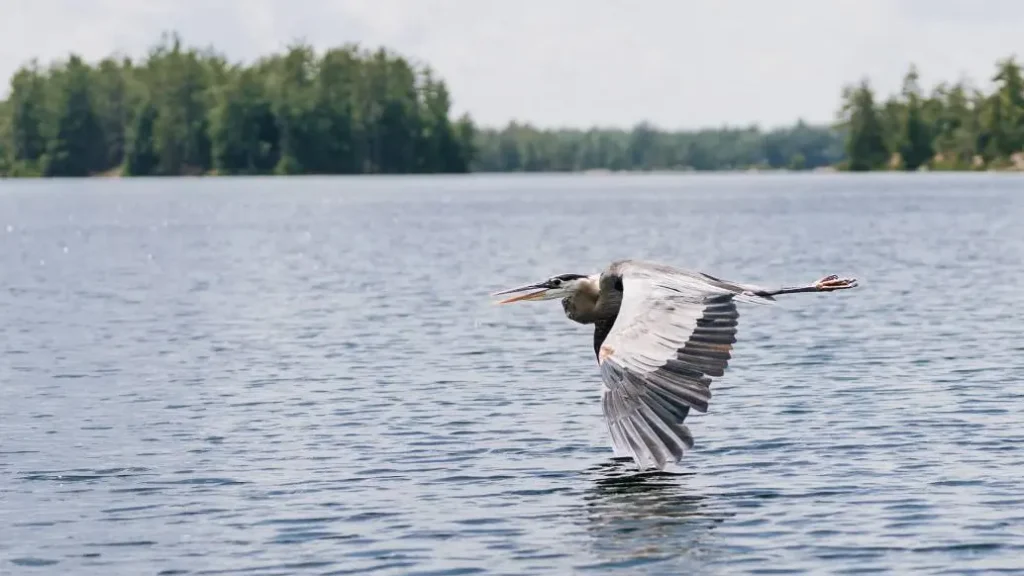
As September gives way to October on the Bruce Peninsula, the landscape undergoes a remarkable change that goes far beyond the turning leaves. While summer visitors know our region for turquoise waters and warm afternoons on Miller Lake, long-time locals and nature lovers wait all year for autumn. This is the season when the natural world enters a period of intense movement. Below the surface of our rivers, massive fish return from the open Great Lakes to fulfill their life cycle. High above the ancient limestone bluffs of the Niagara Escarpment, thousands of migratory birds riding northern winds sweep southward along a crucial ecological highway.
At Miller’s Family Camp, our family has lived alongside these seasonal rhythms for three generations. From our docks at 108 Miller Lake Shore Road, autumn mornings begin with cool mist lifting off calm water, quiet forest trails, and the unmistakable calls of migrating geese flying overhead. If you appreciate wildlife, autumn on the Bruce Peninsula offers front-row seats to two of Canada’s most magnificent natural spectacles: the annual fall salmon run and the great autumn bird migration.
Where to Watch the Salmon Run on the Bruce Peninsula
The Bruce Peninsula salmon run reaches its peak between mid-September and late October as Chinook and Coho salmon migrate upstream from Lake Huron and Georgian Bay to spawn. Key viewing locations near Miller’s Family Camp include Sauble Falls Provincial Park, the Mill Dam in Owen Sound, and the quiet spawning tributaries along the eastern Escarpment shoreline.
Watching giant salmon battle powerful currents and leap several feet into the air over rocky waterfalls is an unforgettable sight. As autumn rains lift river levels and water temperatures cool down, adult salmon gather in massive numbers near the river mouths before making their final push upstream.
Sauble Falls Provincial Park, located a scenic drive south of Miller’s Family Camp, serves as one of the most accessible viewing platforms in Ontario. Here, the Sauble River tumbles over stepped limestone ledges. You can stand along the riverbank trail or on the viewing bridge and watch these powerful fish launch themselves out of foaming white water to clear each ledge.
For guests exploring the eastern side of the peninsula near Georgian Bay, quiet coastal streams near Colpoy’s Bay and Cape Croker offer clear-water views of salmon swimming through gravel shallows. Visiting early in the morning on overcast days after a rainstorm provides the highest level of fish activity, giving photographers and families an incredible look at nature in action.
Fall Bird Migration Hotspots Near Miller Lake
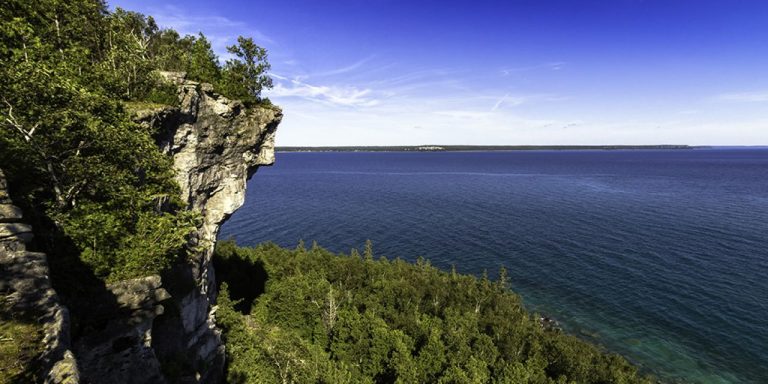
Autumn bird migration along the Bruce Peninsula peaks from September through November as thousands of raptors, waterfowl, and songbirds travel south along the Niagara Escarpment shoreline. Top viewing locations near Miller’s Family Camp include Cabot Head, the cliffs of Lion’s Head Lookout, and the sheltered bayous of Bruce Peninsula National Park.
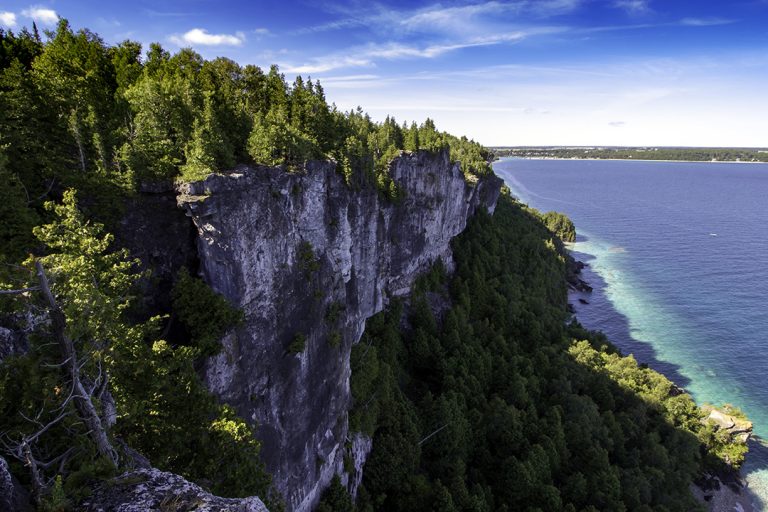
The geographical shape of the Bruce Peninsula acts as a natural funnel for migrating birds. Bound by the vast open waters of Lake Huron to the west and Georgian Bay to the east, landbirds, songbirds, and birds of prey follow this narrow strip of land northward in spring and southward in autumn. The towering white limestone cliffs of the Niagara Escarpment generate powerful warm air updrafts, allowing large raptors to glide for miles with minimal effort.
Standing atop Lion’s Head Lookout—just 15 minutes southeast of Miller’s Family Camp—you can watch red-tailed hawks, broad-winged hawks, sharp-shinned hawks, peregrine falcons, and bald eagles soaring directly at eye level against a backdrop of autumn forest and deep blue water.
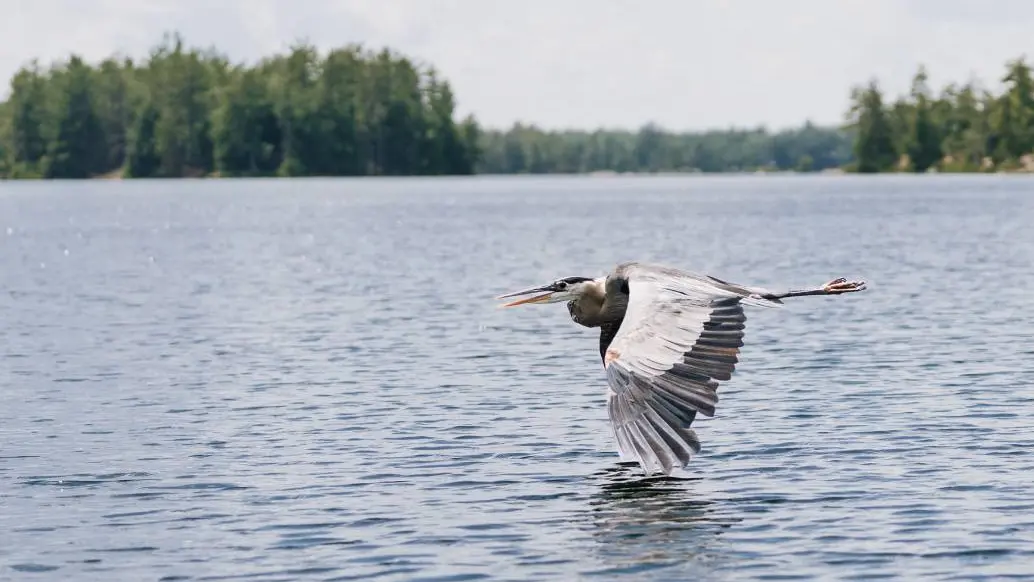
Near Tobermory, just 18 minutes north of camp, coastal wetlands and inland lakes become vital resting stops for migratory waterfowl. Buffleheads, common mergansers, loons, and rare ring-necked ducks gather on sheltered waters like Miller Lake to rest and feed before continuing their long flight south. Early morning hikers along the Bruce Trail will also encounter mixed flocks of warblers, kinglets, and thrushes moving quietly through the cedar thickets.
Autumn Mammal Activity in the Escarpment Forests
As autumn temperatures cool across the Bruce Peninsula, forest mammals increase daytime activity to forage and build fat reserves before winter. Visitors exploring the cedar groves around Miller Lake frequently spot white-tailed deer, river otters along the shoreline, red foxes, porcupines, and black bears foraging for acorns and wild berries.
Autumn is a busy, purposeful time for woodland wildlife. As human foot traffic on major trails drops off after Labour Day, wildlife naturally becomes bolder, often venturing closer to quiet roads and shoreline edges.
Around Miller Lake, morning paddle trips along the quiet northern bays frequently reveal river otters sliding off logs or swimming along the reed beds. White-tailed deer in their sleek grey-brown winter coats graze through apple orchards and hardwood stands throughout the peninsula. Porcupines are easy to spot high in bare poplar and birch trees, feeding on autumn bark and buds.
While black bears live throughout the dense, continuous forests of the Bruce Peninsula, they spend autumn focused entirely on eating to prepare for winter hibernation. You may see signs of bears near wild berry patches or beech stands. Practicing safe wildlife habits—such as storing food securely at your cottage or campsite and keeping dogs on a leash—ensures peaceful encounters for both guests and local animals.
What to Pack for Autumn Wildlife Watching
Packing for autumn wildlife watching on the Bruce Peninsula requires quiet, weather-resistant clothing layers, high-magnification optics, and sturdy waterproof footwear. Bring 8×42 or 10×42 binoculars for birding along coastal cliffs, polarized sunglasses to cut water glare while viewing salmon runs, and warm wool layers for chilly shoreline mornings.
Staying comfortable during long hours outdoors in October comes down to proper preparation. Weather near Georgian Bay can change quickly from sunny and warm to windy and cool, so flexibility is key.
Start with a quiet, moisture-wicking base layer followed by a warm wool or fleece sweater. Avoid loud, crinkly nylon outer jackets when wildlife viewing, as sharp rustling sounds can spook skittish birds and animals before you get a close look.
Equally important is footwear. Limestone rocks along the Bruce Trail can become slippery when covered in damp autumn leaves or morning frost. Sturdy waterproof hiking boots with rubber lug soles provide essential traction and keep your feet dry near riverbanks and muddy trail sections. Finally, slip a small thermos of hot tea or cider into your daypack to stay warm while waiting quietly at a scenic lookout.
How to Photograph Salmon and Migrating Birds
Capturing autumn wildlife photography on the Bruce Peninsula demands fast shutter speeds, polarized filtration, and patient positioning near natural transit bottlenecks. Use shutter speeds above 1/1000s for airborne salmon leaping up waterfalls, a polarized filter to eliminate surface reflection, and a telephoto lens to respect animal safety margins from designated trails.
Photographers travel from across Ontario to capture the natural beauty of the Bruce Peninsula in autumn. To get clean, sharp photos of leaping salmon at Sauble Falls or local streams, set your camera to shutter priority mode and dial in a fast shutter speed to freeze the spray of water drops around the fish. Mounting a circular polarizing filter on your lens is essential—it cuts through harsh surface glare on the river, letting your camera sensor record the rich silver and red colors of fish moving beneath the surface.
For bird photography along the Escarpment, bring a telephoto lens with a focal length of at least 300mm to 500mm. Positioning yourself along high elevation points like Cape Chin or Lion’s Head allows you to shoot across or slightly down toward passing hawks rather than aiming straight up into a bright sky. Remember to keep your autofocus set to continuous tracking mode so your lens stays locked on moving targets against the sky or forest backdrop.
Practicing Responsible Wildlife Viewing on the Bruce Trail
Responsible wildlife viewing on the Bruce Peninsula protects fragile Escarpment ecosystems through strict adherence to Leave No Trace principles. Stay on marked Bruce Trail paths, keep dogs leashed at all times, avoid disturbing salmon spawning beds in shallow river gravel, and maintain respectful distances without using artificial calls or bait.
The natural beauty of the Bruce Peninsula relies on careful protection. The Niagara Escarpment is a UNESCO World Biosphere Reserve, home to ancient cedar trees, rare mosses, and sensitive wildlife species.
When watching the salmon run, always view fish from established shorelines, bridges, or designated platforms. Never wade into shallow river gravel where salmon have laid eggs, as stepping on these nests destroys the next generation of fish.
When observing forest animals or birds, use binoculars or long camera lenses instead of stepping off designated paths. Keep all pets on a short leash to prevent stress on migrating animals, and pack out every piece of trash, including food scraps. By respecting these simple guidelines, we ensure that the Bruce Peninsula remains a sanctuary for wildlife for generations to come.
Book Your Fall Wildlife Getaway at Miller’s Family Camp
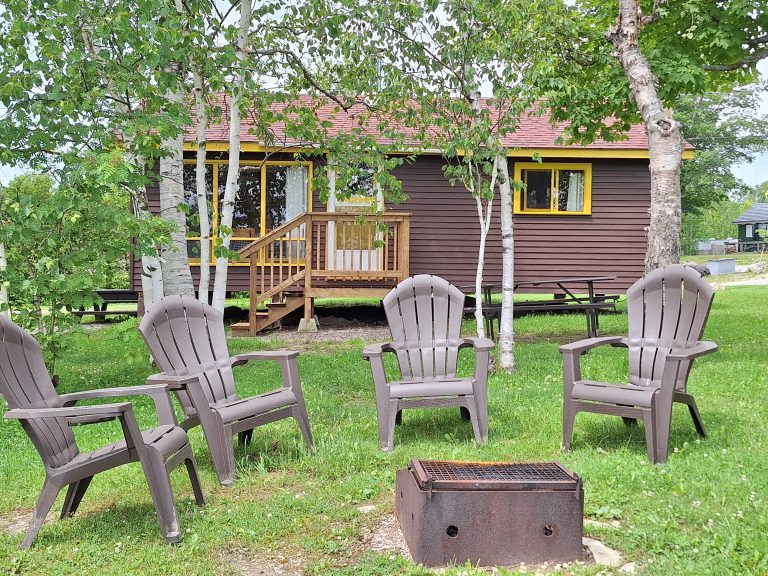
Miller’s Family Camp provides a central, family-friendly autumn basecamp located at 108 Miller Lake Shore Road, just minutes from the finest wildlife routes on the Bruce Peninsula. Offering heated waterfront cottages and private treed campsites open through mid-October, our third-generation camp puts you near salmon runs, migration lookouts, and peaceful lakefront surroundings.
Located halfway between Lion’s Head and Tobermory, Miller Lake is the perfect starting point for your autumn nature excursions. Spend your morning watching raptors soar over Georgian Bay cliffs, your afternoon taking in the salmon run at Sauble Falls, and your evening sitting around a crackling campfire under clear, starry skies.
Our camp offers clean, cozy cottages equipped with full kitchens, heating, and spacious campsites sheltered by colorful autumn trees.
Whether you are an avid birdwatcher, a wildlife photographer, or a family wanting to share the wonders of nature with your children, early fall on Miller Lake offers an experience you will cherish. Contact our team today at 519-795-7750 or info@millersfamilycamp.com to book your autumn stay before our season wraps up in mid-October!